
Conversion-Ready strategy for Reverse Mortgage Pros
We Build the Machine. We Run the Machine. You Just Watch the Leads Come in.
No dashboards to learn. No software to babysit. Real support from a real person, whenever you need it.
The Reverse Mortgage Growth Engine gives you a professional website, educational content, review-building tools, booking, CRM access, and automated follow-up — all working together to help more borrowers and referral partners find, trust, and contact you.
Built specifically for reverse mortgage professionals who want stronger visibility without becoming full-time marketers.
Why Great Reverse Mortgage Professionals Still Lose Business Online
You can be excellent at what you do—and still lose opportunities if people can’t clearly find you, trust you, or understand how you help.
Most loan officers are still relying on:
A short corporate bio page
Inconsistent social media (if any)
Referrals with no follow-up system
A website that doesn't actually convert visitors into conversations (if there's a website at all!)
That’s not a marketing strategy - that’s just hoping.
How This Shows Up in Your Business
You don’t show up when people search for a reverse mortgage specialist in your area.
Prospects can’t easily learn about you before reaching out.
Referral partners don’t have one clear place to send people.
Leads slip through the cracks.
Your online presence doesn’t reflect your experience, professionalism, or heart for helping seniors.

If your website isn't building trust before the first conversation, you're already behind.
👉 People are searching before they ever call.
What That Means for Your Business
Potential clients leave without reaching out
You miss opportunities you didn’t even know existed
Your website (if you have one) sits there instead of helping you capture leads and help more borrowers
The Reverse Mortgage Growth Engine Changes That
This isn't just a website.
It's a complete, done-for-you marketing system built specifically for reverse mortgage professionals who want to grow without becoming full-time marketer.
It helps you:
Show up professionally online
Answer common questions before the call
Build trust with borrowers, adult children, Realtors, and financial advisors
Capture and follow up with leads more consistently
Stay visible without constantly creating content from scratch
This is where most reverse mortgage professionals are losing opportunities - without even realizing it!
Finally, you can have a marketing system that works behind the scenes — without you
having to build it yourself.
The Reverse Mortgage Growth Engine
One Complete System. One Clear Monthly Investment.
Built for reverse mortgage professionals who want more visibility, stronger lead flow, and less manual follow-up.
What's Included in the System
Your Educational Reverse Mortgage Website
Custom reverse mortgage website
Done-for-you written copy
Blog setup
Lead forms
SEO/AEO optimization
Mobile-friendly design
Hosting, maintenance, security, and backups
Compliance-conscious structure
Your Custom Animated Explainer Video
Reverse mortgages can be hard to explain quickly. Your customized animated video helps simplify the message and gives visitors an easy way to understand who you help and why it matters.
Monthly Content That Keeps You Visible
You’ll receive two blog posts each month, written and published for you.
Includes:
2 industry/lifestyle blog posts per month
Published to your website
Shared to your connected social media pages
Reputation + Review Tools
Your Google reviews help build trust before the first call.
Includes:
Automated Google review requests and AI replies
Google reviews displayed on your website
Google Business Profile audit and/or setup
Lead Capture + Follow-Up
When someone shows interest, your system gives them a next step.
Includes:
Lead form connected to CRM or email
Full CRM Reverse Mortgage Lead Pipeline designed for lead tracking
Booking calendar added to your website
Email platform for newsletters and drip campaigns
Bonus lead magnet
Bonus 5-email educational nurture sequence
Social Media Planning Tool
You’ll also receive access to a social media planning and scheduling tool with AI content generation.
Small note:
Usage fees may apply depending on platform settings and account usage.
Your Investment
One-Time Set-up and Design: $1000
Monthly Subscription: $997 now $597/month
A complete done-for-you website and marketing system built for reverse mortgage professionals.
Includes:
Full educational website
SEO/AEO optimization
Customized animated explainer video
2 monthly blog posts written, published, and shared to your socials
Google review request automation
Google reviews displayed on your website
Booking calendar
CRM access with pre-built Reverse Mortgage Lead Pipeline for tracking
Social media planning tool with AI content generation
Lead magnet
5-email nurture sequence
Designed and formatted monthly newsletter template
Google Business Profile audit and/or setup
Optional Growth Boosters
Reverse Mortgage Concierge AI Agent - $297/month (usually $497/month)
Add a website conversation agent to answer common questions, guide visitors, and support lead capture where compliance allows - even in the middle of the night. (RM Concierge AI Agent availability depends on your company’s compliance approval. We’ll help structure it responsibly, but final approval must come from your organization.) Test drive it right here on this page. Click the chat bot and ask any reverse mortgage question!
Done-for-You Social Posting - $297/month (usually $497/month)
We create and publish 3-5 social posts per week for you, including 1 video each month.
Why the Full System Matters
Most reverse mortgage professionals don’t have a marketing problem because they’re missing one random tool - They have a marketing problem because the pieces aren’t connected.
Does this sound like you...?
A bio page over here.
A few social posts over there.
A Google profile that may or may not be optimized.
A contact form that may or may not get followed up with.
A referral process that mostly depends on memory and good intentions.
The Reverse Mortgage Growth Engine brings the pieces together so your online presence finally works like a system.
We Handle the Setup.
You Stay Focused on Closing Loans
No tech overwhelm.
No need to be a good writer.
No figuring it out alone.
No trying to duct-tape five different platforms together.
We write it, build it, organize it, connect it, and launch it - so you can focus on the clients, not the software.
Hey, I'm Claudia Loens!
MEET THE FOUNDER & CEO

I’m the founder of Wordflirt, and I’ve spent nearly 15 years helping reverse mortgage professionals show up better online with websites, newsletters, social content, LinkedIn strategy, and marketing systems.
I understand this industry is different.
You have compliance to think about. You’re serving older homeowners and their families. You’re often explaining a product people have heard about, misunderstood, or avoided because they didn’t have the right information.
That’s why I don’t build generic mortgage websites.
I build educational, trust-focused marketing systems for reverse mortgage professionals who want to be found, be understood, and be easier to contact when someone is ready for a conversation.
And now, with practical AI tools and automation, we can make your marketing work smarter without making your life more complicated.
We’ve got you.
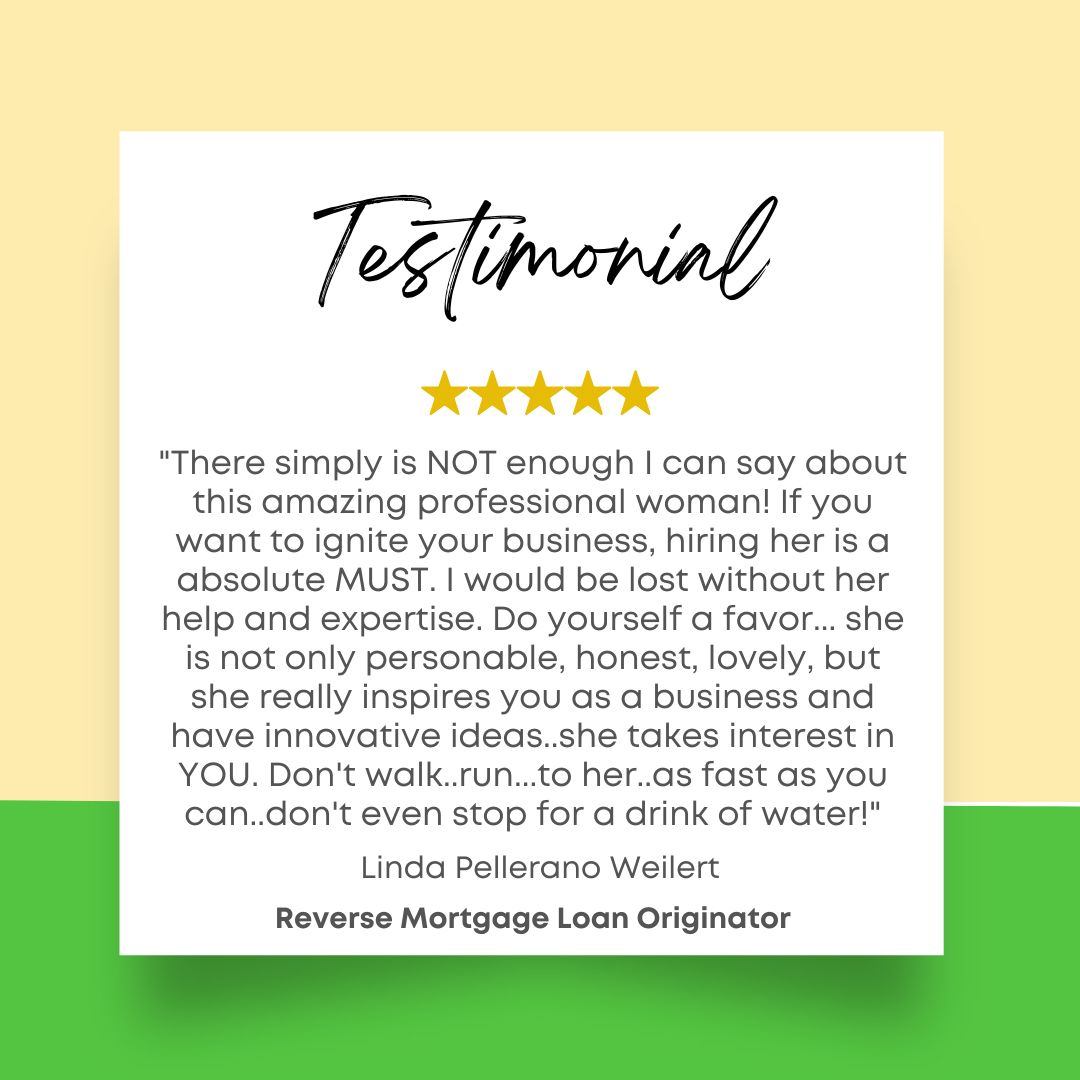

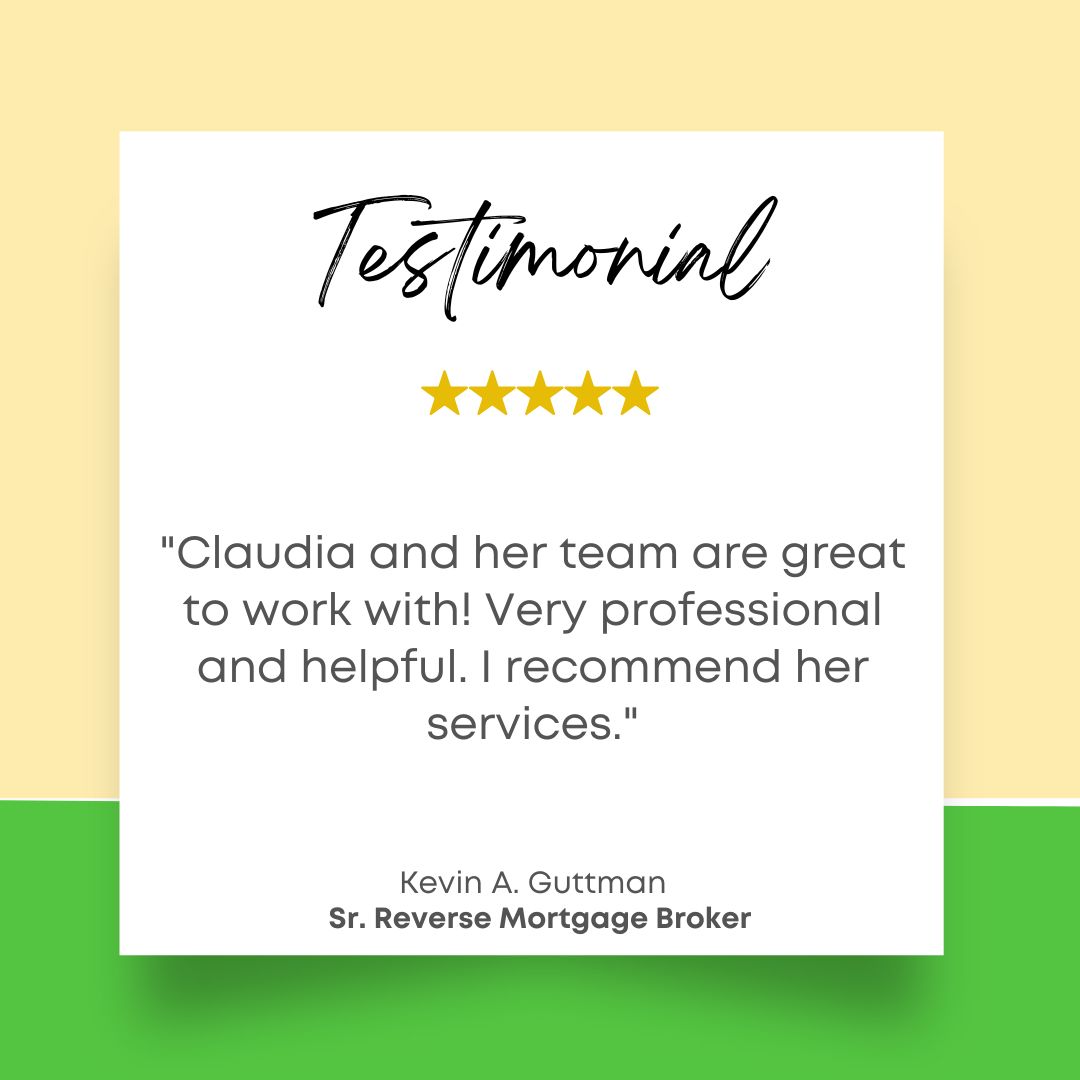
Built for reverse mortgage specialists
Built for the Way Reverse Mortgage Decisions Actually Happen
Reverse mortgage decisions are thoughtful. They often involve research, family conversations, referral partners, and a lot of questions before someone is ready to talk.
That’s why your marketing system needs to do more than look good.
It needs to educate.
It needs to reassure.
It needs to make the next step feel simple and safe.
The Reverse Mortgage Growth Engine is built to support that process.
What This Actually Does for Your Business
You stop relying only on referrals
Referrals are wonderful, but they shouldn’t be your entire marketing strategy. Your website gives people a professional place to find you, learn about you, and take the next step.
You build trust before the first conversation
Your website, blog content, video, reviews, and follow-up tools help answer questions and position you as a knowledgeable resource.
You stop repeating yourself every day
Instead of explaining the same basics over and over, your system helps educate visitors before they book a call.
You capture more opportunities
When someone visits your site, downloads a resource, asks a question, or wants to connect, they have a clear path forward.
You stay visible with less manual effort
With monthly blog content, social sharing, email tools, and review automation, your marketing keeps moving even when you’re busy serving clients.
You look like the professional people want to work with
When borrowers, adult children, Realtors, or financial advisors look you up, they see a polished, complete online presence — not just a short company profile or outdated page..
Why reverse pros choose the Growth engine
Our goal is to make your marketing easier to manage, easier to share, and easier for prospects to act on.
Higher-quality inquiries
Position yourself as a specialist, not a rate-and-fee commodity. Your website pre-frames why reverse is a planning tool, not a “last resort,” attracting homeowners who want a thoughtful conversation.
Less leakage in your funnel
Clear next steps, minimal friction, and trust-building content keep seniors from bouncing. From first scroll to submitted form, the experience is designed to feel safe and simple.
Automation that does the work for you
Forget to ask for reviews? No problem. Don't know how to follow up with people who opt-in? No problem. No time to write a gazillion word blog? We've got you. We set it up to run 24/7 on auto pilot.
Simple, LO-friendly process
From intake to live in as little as 1–3 weeks
Step 1: Strategy Call
We clarify your goals, audience, market, compliance requirements, and preferred calls to action.
Step 2: Getting-Started Form
You complete a simple intake form so we have the details we need to build your website and system.
Step 3: Website + System Build
We draft your content, design your website, set up your blog, connect your forms, and prepare the core pieces of your Growth Engine.
Step 4: Compliance Review
You route the required materials to your compliance team. We handle revisions within the agreed project scope.
Step 5: Launch + Monthly Content Begins
Once approved, your site goes live and your monthly blog, social sharing, review tools, and follow-up support begin.
Launch timelines depend on intake completion, revision rounds, and your company’s compliance process.
Questions reverse LOs ask before getting started
Why Should I go with Wordflirt?
Claudia Loens, the Founder of Wordflirt has nearly 15 years of supporting reverse mortgage loan officers with marketing, websites, and LinkedIn growth. Learn more at: wordflirt.com/reverse-mortgage-marketing
How much of my time will this take?
Typically 60–90 minutes total. We start with a strategy call and a short intake form. From there, Wordflirt handles copy, structure, and implementation. You’ll review one or two drafts and route anything necessary to compliance. We may also need you available for 2 step verifications when we connect to your domain registrar, social media sites and Google Business page.
Can you work with my company’s compliance team?
Yes. We’re used to working within bank and lender compliance frameworks. We’ll structure copy and layouts to make review easier and include any specific disclosures or footers your team requires.
Do I have to sign a contract?
You will agree to the terms of service, but we do not require long-term contracts. Our service is month to month and we require 30 days' notice to terminate.
What if I want to upgrade later?
We'd be delighted to help you upgrade. We can discuss your goals and which program would fit your needs.
Can you help me with my other marketing?
Yes! We are experts at social media management, LinkedIn growth and nurture, and monthly newsletters. Set up a meeting with Wordflirt at: www.meetwithwordflirt.com
Is this just a website?
No. The website is the hub, but the Growth Engine also includes monthly content, booking, CRM access, review tools, social planning support, lead capture, and follow-up.
What if my company won't approve the AI agent?
No problem. The Conversation AI Agent is optional. If your company isn’t ready to approve AI chat, you can still use the core Growth Engine.
Can I use this if I already have a company bio page or microsite?
Yes. A company bio page is helpful, but it usually doesn’t give you enough room to educate prospects, publish content, collect leads, display reviews, or create a stronger personal online presence. Plus, your company owns it so it doesn't go with you if you leave.
Ready to Build a Reverse Mortgage Marketing System You're Proud to Send People to?
The Reverse Mortgage Growth Engine gives you a professional website, educational content, review-building tools, booking, CRM access, and follow-up support — all designed specifically for reverse mortgage professionals.
If you’re ready to stop piecing together random marketing tactics and finally have a system working behind the scenes, let’s talk.
Want to learn more about Wordflirt? Visit our website below.